

Car Lockout in Georgetown Texas - We Open Cars Fast
Getting locked out of your car in Georgetown can feel like the day just slammed on the brakes. Maybe you stepped out to grab coffee on Austin Avenue, the wind caught the door, and the locks clicked before you even realized your keys were still on the seat. Maybe the fob stopped responding, the trunk swallowed your keys, or a “simple stop” turned into a parking-lot standoff with your own vehicle. Car Lockout Georgetown service is for those moments—fast, careful, and focused on getting you back inside without damage.
Our approach is simple: show up prepared, protect the vehicle, and keep the process stress-free. We handle standard lockouts, smart key situations, and those confusing moments when the car seems to lock itself. If it turns out your keys aren’t just locked in—but actually missing—start with what to do when car keys go missing so you can decide whether an unlock, a replacement key, or a deeper fix makes the most sense.
Because Georgetown drivers deal with everything from older mechanical keys to modern proximity systems, we come equipped for both. We’re ready for sedans, pickups, SUVs, and many fleet vehicles. And if the lockout is tied to a bigger problem—like a dead battery, a no-start condition, or a key that suddenly won’t program—our broader full-service automotive locksmith options can help you get the right solution instead of a temporary workaround.
Contents
Car Lockout Georgetown: What We Do and Who We Help
Car Lockout Georgetown help is designed for everyday real-life scenarios. It’s for the parent juggling bags and a child seat, the contractor hopping between job sites, the student late for class, and the traveler who just wants to get moving again. A lockout is rarely “just” a lockout—there’s usually a schedule, a safety concern, and the nagging fear that forcing the door could cause expensive damage.
Our job is to unlock the vehicle cleanly, without bending frames, tearing weather stripping, or damaging internal mechanisms. We also try to spot the underlying reason the lockout happened. Some vehicles lock because the fob battery is weak, some lock because a door sensor is misreading, and some lock because the driver’s habits make it easy to repeat the same mistake. If you want a practical overview of how lockouts happen and how to avoid them, see ways to prevent getting locked out again.
We help with common lockout situations such as keys visible on the seat, keys locked in the trunk, the car locking while it’s still running, or a door that won’t open even though the fob “unlocked” it. Some vehicles develop quirks where the driver door behaves differently than the passenger doors. Others will unlock but refuse to open due to a stuck latch or a frozen mechanism. When the problem isn’t strictly about being locked out, we’ll explain what we see and the options that actually solve the issue.
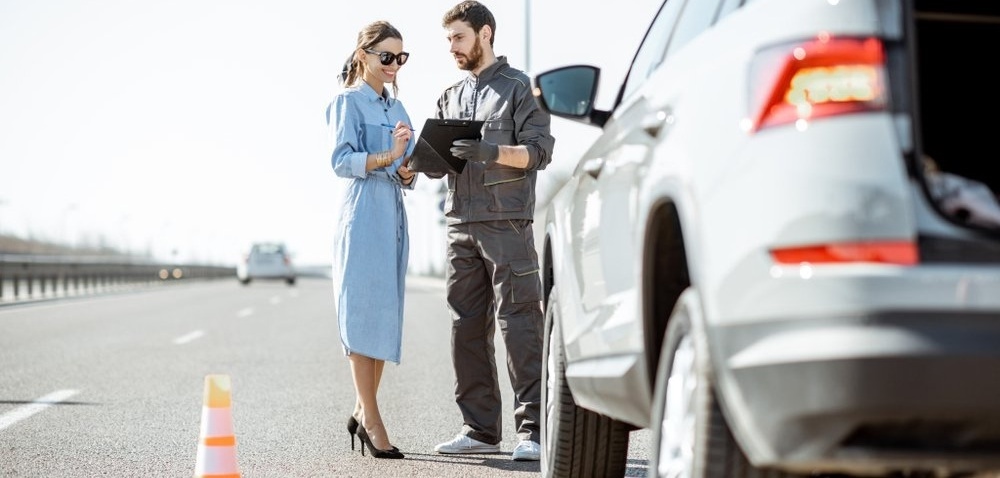 Why Car Lockouts Happen More Than People Think
Most lockouts aren’t caused by carelessness. They happen because modern vehicles are designed to protect themselves. Auto-lock timers, proximity sensors, anti-theft logic, and safety features can combine in weird ways—especially when batteries are low, fobs are aging, or doors are slightly out of alignment. Add a busy routine and it’s easy to get locked out during a “two second” stop.
Here are some of the most common reasons Georgetown drivers end up locked out:
- Auto-locking doors that engage after a short delay
- Keys left in the cabin while the driver exits quickly
- Trunk lockouts when groceries or luggage go in first
- Weak key fob battery causing intermittent unlock failures
- Door latch issues that prevent opening even when unlocked
- Aftermarket alarms or remote-start systems acting up
- Winter or heavy rain causing sticky seals and tight doors
A surprising number of “lockout” calls also involve a battery problem. When the car battery is weak, a fob may not communicate consistently, and some vehicles behave unpredictably. If you suspect power is part of the problem, this guide on replacing a car battery explains the basics, and mobile jump start and battery replacement service covers what to do when you need help on location.
Another hidden cause is anti-theft behavior. Some vehicles will lock out certain functions after repeated failed unlock attempts, and some systems react differently when a key is near the vehicle but not recognized properly. Understanding those features can prevent panic and help you choose the right fix. A good place to learn the basics is how car anti-theft systems work.
What to Do Immediately After You’re Locked Out
In the first minute after a lockout, most people do the same thing: pull harder, check every door, and start thinking about prying the window. That’s the moment to slow down. The goal is to get inside without turning a frustrating situation into a costly repair. A damaged window channel, scratched paint, or bent door frame can cost far more than the unlock.
Do these steps first:
- Check every door, including the trunk and liftgate if accessible
- Look for a spare key option you can reach safely
- If the car is running, stay calm and keep the area secure
- Confirm the key isn’t actually lost before focusing on unlock only
- Don’t use coat hangers or wedges that can tear weather seals
If you’re not sure whether the keys are locked inside or truly missing, treat it like a “missing key” situation until proven otherwise. That mindset saves time and prevents wasted steps. Use this lost key checklist to decide whether you should request a simple unlock or plan for replacement and programming.
Also pay attention to safety. If you’re locked out in a busy parking lot, near traffic, or in an area where you don’t feel comfortable waiting, it may be smarter to move to a safer spot nearby while you arrange help. If you have kids or pets inside the car, that’s an emergency. Call for immediate assistance and prioritize fast, non-destructive entry.
Smart Keys, Key Fobs, and Anti-Theft Features
Georgetown roads have everything from older trucks with classic key cylinders to newer vehicles that rely on proximity systems. Smart keys and push-to-start setups are convenient, but when something glitches, it can feel like the car is “thinking” for itself. Sometimes the fob battery is the real culprit. Sometimes the vehicle’s receiver is struggling. And sometimes a replacement key wasn’t programmed properly in the past, which shows up at the worst time.
If you’re curious how modern chip keys work, this explanation of transponder keys is useful. Many vehicles use a transponder even if the blade looks basic, and the immobilizer may prevent starting even after you get the door open. That’s why a lockout can be a two-part problem: access first, then starting second.
Anti-theft features can also affect lock behavior. Some systems change how doors respond when the vehicle thinks an unauthorized entry is happening. That doesn’t mean you did anything wrong—it means the car is trying to protect itself. If you want a plain-language overview, read about common anti-theft systems and how they interact with keys and door locks.
When you’re dealing with a fob that’s acting weird, it helps to avoid rapid repeated pressing and random button combinations. Some vehicles interpret that as tampering. Slow, deliberate steps are best. If the car is completely unresponsive and you suspect battery issues, consider a jump start. The resource jump start and battery replacement service explains what a mobile tech can do on site when the vehicle won’t power up normally.
How a Professional Unlock Works
A professional car unlock is a controlled, careful process. The goal is to create access without forcing parts that weren’t designed to bend. Tools and techniques vary depending on the vehicle and the lock type, and a skilled tech chooses the least invasive option. That’s why professional lockout service is usually faster and safer than improvising with household items.
We start by confirming the situation and the vehicle type. Then we choose the right approach for the door design and lock mechanism. Many modern vehicles require extra caution to protect airbags in the door, wiring for power locks, and delicate trim pieces. If someone uses the wrong tool or inserts it in the wrong place, the result can be damaged weather stripping, a misaligned window, or a door that whistles on the highway afterward.
Some customers ask if lockouts involve “lock picking.” Sometimes they do, sometimes they don’t. In many cases, an unlock can be done without picking the lock cylinder at all. If you want to understand the term and what it means in a legit, professional context, this overview of lock picking breaks it down in a way that makes the process less mysterious.
We also pay attention to why the vehicle locked. If a lockout happened because the door switch is failing, we’ll mention it. If the fob is barely working due to a weak battery, we’ll say so. If the issue looks like it could become a repeat lockout, we’ll point you to prevention habits that help. That’s the difference between “getting you in” and “helping you stay out of the same problem next week.”
In some cases, unlocking is only step one. If the vehicle starts acting like it doesn’t recognize the key, you may need additional service beyond entry. That’s where a car locksmith service for keys and ignition issues can be the next move, especially if the lockout began with a damaged key, a broken fob shell, or an old transponder that finally failed.
Typical Time and Cost Factors in Georgetown
People usually want two answers right away: how long will it take and what will it cost. In Georgetown, timing and cost depend on a few real variables rather than a single flat number. The type of vehicle matters, the lock system matters, and your exact situation matters. A simple “keys on the seat” unlock is usually quicker than a trunk lockout, and a modern smart key vehicle can be more complex than an older manual lock.
Common factors that influence time and price include:
- Vehicle year, make, and model
- Whether it’s a standard door lockout or a trunk-only lockout
- Smart key/proximity system behavior
- Whether the car is running or the alarm is active
- Access constraints like tight parking or poor door angles
- After-hours demand and travel distance within the area
If the lockout is part of a bigger roadside problem—like you’re stranded with low fuel, a dead battery, or a tire issue—bundling services can be more efficient than calling multiple providers. If fuel is part of the situation, start with what to do after you run out of gas. For ongoing savings and smarter driving habits, these gas-saving tips can help you reduce stress and surprise stops.
Flat tires are another common “it all went wrong at once” scenario. If you’re dealing with a lockout and realize you also have a tire problem, mobile flat tire repair can be the right next step so you aren’t stuck again ten minutes after you get back into the car.
For customers comparing options, it’s also helpful to know that not all roadside providers are equal. If you’re looking at subscription services, reimbursements, or dispatch networks, a roundup of well-known roadside assistance companies can give you a starting point for comparisons, while reasons to keep roadside assistance explains why it can be worth having beyond lockouts.
How to Reduce Repeat Lockouts
Once you’re back in the car, the smartest move is to make the next lockout less likely. Most repeat lockouts happen because the routine stays the same. The fix is usually small and practical: a habit change, a spare key plan, or a quick check that you do before the door closes. Prevention is especially important with vehicles that auto-lock quickly or with fobs that sometimes fail to communicate.
Here are habits that help Georgetown drivers avoid the same scenario again:
- Keep keys in the same pocket or bag compartment every time
- Before closing the door, do a quick “key touch” check
- Replace fob batteries on a schedule instead of waiting for failure
- Consider a spare key strategy you can access without risk
- Don’t store keys in the trunk area while loading unless the car is unlocked
- Learn your vehicle’s auto-lock behavior and disable it if possible
If you want a more complete list, tips to prevent getting locked out covers the most common mistakes and the simplest ways to avoid them.
Prevention also includes being ready for the “other” roadside issues that often show up on the same day. A weak battery can make a fob feel unreliable, so understanding basic replacement can help. Review how to replace a car battery when you have time, and keep the option of mobile jump start service in mind when you need a quick rescue.
And if your vehicle has advanced anti-theft logic, take ten minutes to learn how it behaves. That little bit of knowledge can save you from confusion later. Start with a guide to car anti-theft systems. If you drive a model that uses a chip key, understanding transponder keys makes it easier to recognize when the problem is entry versus immobilizer recognition.
Finally, it helps to think in terms of a “backup plan” rather than a single fix. A lockout can be paired with low fuel, a flat tire, or a battery issue. When you have a plan for those, the lockout becomes a smaller inconvenience instead of a total day-ender. If fuel surprises are common on your routes, ways to save on gas and what to do if you run out of gas are practical reads. If tire trouble is a concern, mobile flat tire repair explains what can be done on location.
Car Lockout Georgetown help should feel straightforward: you call, a trained technician arrives with the right tools, and your vehicle is opened carefully so you can keep moving. Whether you’re stuck in a driveway, a parking lot, or on the side of the road, the goal is the same—fast access without damage, plus clear guidance if the problem is bigger than an unlock. If you want to understand the wider world of roadside help, why roadside assistance matters and top roadside assistance options can help you compare what’s out there.
When you’re ready, keep this page handy as a reference. Lockouts happen to careful drivers too. The difference is how you respond: stay calm, avoid damaging DIY methods, and choose a professional approach that gets you back in cleanly. And once you’re inside, take a minute to make your next lockout less likely—because the best lockout is the one that never happens.